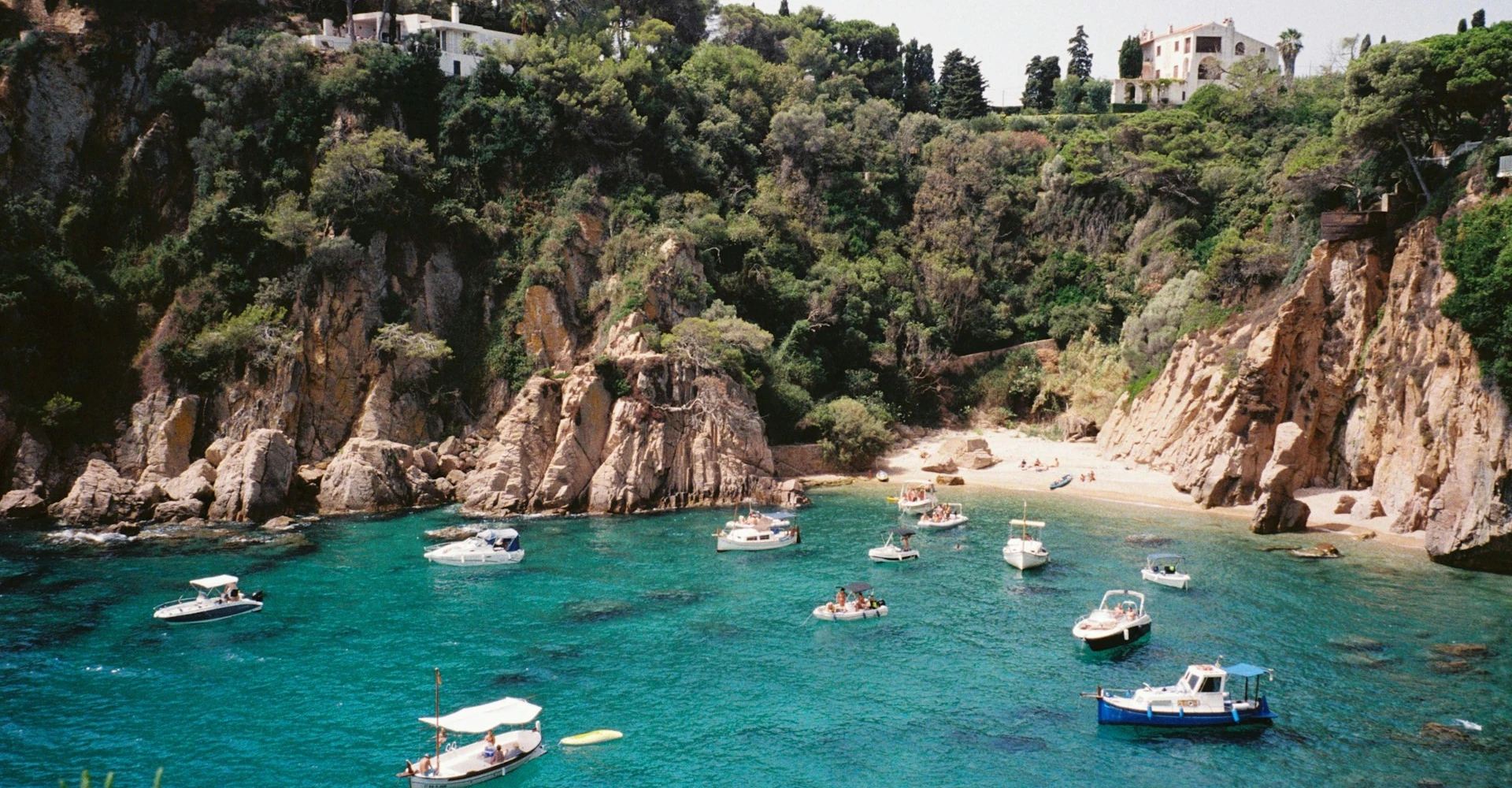
La Costa Brava sin coche: las rutas secretas de autobús al Cap de Creus y a Sa Tuna
When you Google "Costa Brava itinerary," you're bombarded with images of winding coastal roads and advice to "rent a car to see the best coves." While a car offers flexibility, it also offers parking nightmares in July and August, €25/day rental fees, and the stress of navigating one-way streets in hilltop villages like Pals or Palamós.
But here's the secret most guidebooks gloss over: the public bus network (Sarfa/Moventis) and Sagalés is surprisingly robust, punctual, and scenic.
This guide is for the traveler who wants to hike the wild Cap de Creus, swim in the turquoise waters of Sa Tuna, and sip vermut in Begur—without ever touching a steering wheel.
Why Ditch the Car in Costa Brava?
- Access to Secluded Coves: Many of the most famous calas (like Cala del Golfet or Cala Estreta) cannot be reached by car anyway. You have to park 2km away and walk down a dirt path. The bus drops you at the trailhead.
- The Coastal Path Advantage: The Camí de Ronda is a coastal footpath connecting towns. If you have a car, you have to do out-and-back hikes or figure out expensive taxi logistics. With a bus, you do linear hikes: walk three hours along the cliffs, then catch a bus back to your starting point.
- The Cadaqués Exemption: During high season, the roads inside the village of Cadaqués are restricted to resident vehicles only. Non-resident cars are turned away at a massive parking at the entrance of the village. The bus goes straight to the waterfront.
The Backbone of the Costa Brava Bus Network
Before we dive into the specific routes, let's understand the two main players:
- Sarfa (Moventis): The primary company. Their Line 4 is the magic carpet that runs from Barcelona Airport/Nord Station all the way up the coast to Cadaqués.
- Sagalés: The company that operates routes to the south of the Costa Brava (Tossa de Mar, Lloret de Mar and Blanes)
- Teisa: The local specialist for the Girona inland routes (especially useful for the Banyoles Lake area and Besalú).
- Renfe (train): Both ends of the Costa Brava are covered by train. On the south Blanes can be reached via Girona or Barcelona. In the north Llançà, Colera and Portbou are easily combined with the train and can be reached from Figueres, Girona and Barcelona.
Final Thoughts: Public Transport can be game changing
Our Costa Brava Travel Guide includes a dedicated chapter on Public Transport, along with other useful information, such as best restaurants, detailed .
Explore our full Costa Brava Guide: Maps, Timetables & 50+ Hidden Coves — https://naturaoasis.com/en/travel-guides/costa-brava