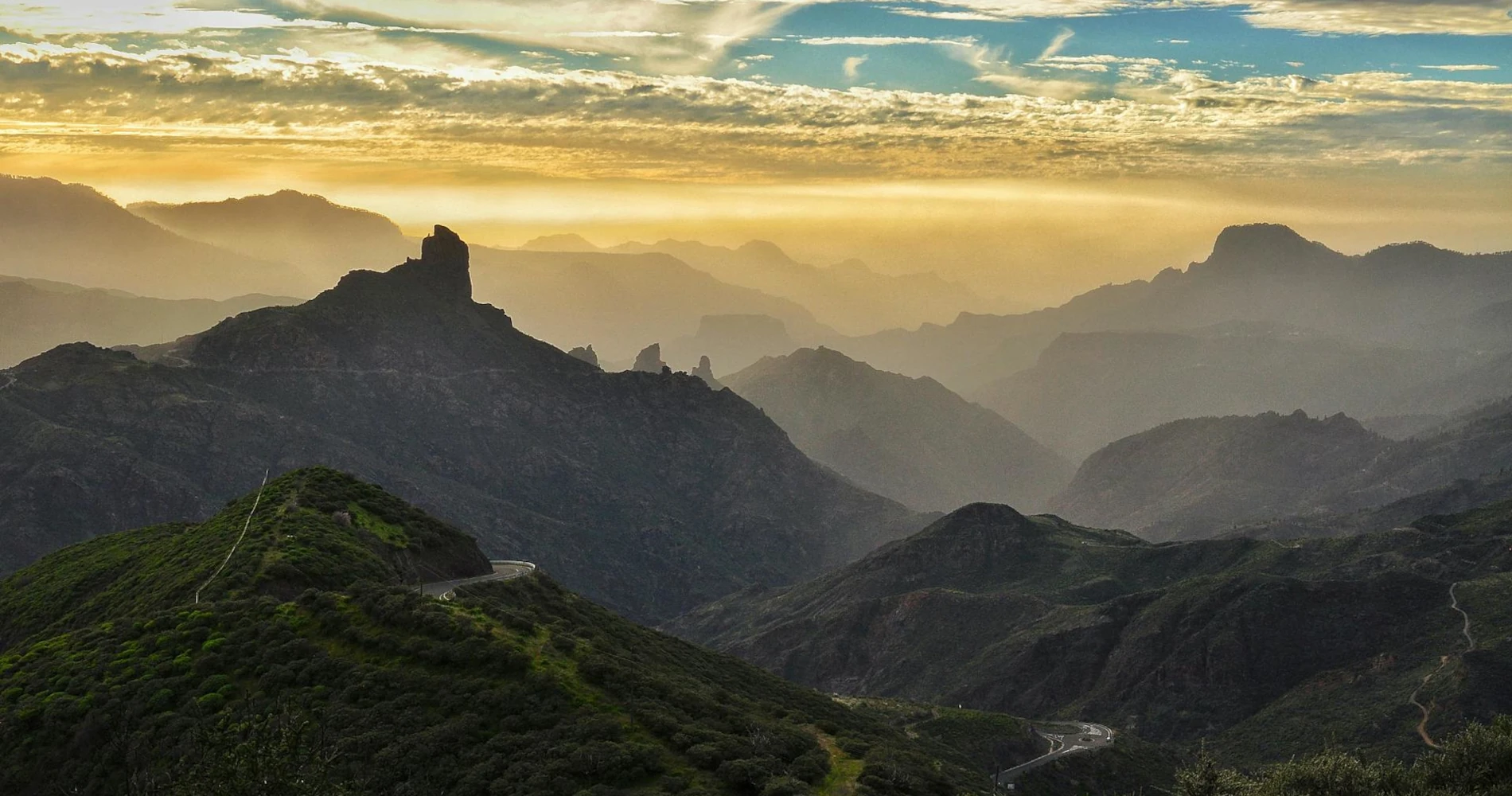
Gran Canaria Microclimate Cheat Sheet: Why It's 22°C in Maspalomas but 12°C in Tejeda
This is Gran Canaria's famous microclimate system, and it catches first-time visitors off guard constantly. The island is often described as a "miniature continent," and the weather is the reason why. Understanding it transforms your packing list, your itinerary planning, and your daily happiness.
The Basic Mechanism: Why This Happens
Gran Canaria is a circular, mountainous island with peaks reaching nearly 2,000 meters at Pico de las Nieves. The prevailing winds are the northeast trade winds, which blow steadily across the Atlantic. When these moist winds hit the island, the mountains force the air upward. As it rises, it cools, and the moisture condenses into clouds. This is called the "sea of clouds" effect, and it's visible almost daily from viewpoints above 1,200 meters.
The result is a dramatic divide. The northeast side of the island intercepts the clouds and gets the rain. The southwest side sits in the rain shadow, basking in sunshine. And the high peaks exist in their own cold, windy world. All three climates coexist on an island you can drive across in under two hours.
The Three Climate Zones
The South (Maspalomas, Playa del Inglés, Puerto Rico, Puerto de Mogán)
This is the zone everyone pictures when they book a Gran Canaria holiday. Sunny, dry, and warm year-round. Average daytime temperatures hover between 20°C and 26°C in winter, rising to 26°C to 30°C in summer. Rainfall is minimal—Maspalomas receives around 100mm annually, mostly in a few brief winter showers. The sky is blue more days than not. The wind can pick up in the afternoons, especially around Playa del Inglés, which is why windsurfing is popular there, but it's a warm wind. You'll live in shorts and sandals. You'll need sunscreen every single day, even in January. The south is essentially a desert climate that happens to sit next to the ocean.
The North (Las Palmas, Arucas, Gáldar, Teror)
The north is the island's green, fertile face. The trade winds deliver moisture here, so mornings often start overcast, clearing to sunny spells by midday. Temperatures are slightly cooler than the south, typically sitting between 18°C and 24°C. Humidity is noticeably higher. Las Palmas de Gran Canaria, the capital, can feel almost tropical some days—warm but sticky, with a breeze that carries the scent of the ocean and the greenery. Rainfall is more frequent, though still modest by European standards, nurturing the banana plantations, the lush valleys, and the coffee fincas around Agaete. Pack a light layer for mornings and evenings. Don't assume the beach weather in the south applies here on the same day. It often doesn't.
The Interior & Summits (Tejeda, Artenara, Roque Nublo, Pico de las Nieves)
This is the zone that shocks people. The interior villages sit between 800 and 1,300 meters above sea level. Tejeda, often called one of Spain's most beautiful villages, sits at 1,050 meters. The air here is thin, dry, and significantly colder. Daytime temperatures in winter can struggle to reach 12°C to 14°C, and nights can drop close to freezing. Even in summer, evenings are cool enough for a fleece. The summits are more extreme still. Roque Nublo at sunrise can feel like a Scottish highland in autumn—wind-whipped, chilly, and often shrouded in mist until the sun burns through. Snow falls occasionally on Pico de las Nieves in winter; the name literally means "Peak of the Snows." You need closed shoes, long trousers, and a proper jacket up here, even if you left Maspalomas in 25°C sunshine two hours earlier.
The Same-Day Reality Check
The most common visitor mistake is dressing for the weather at the hotel and regretting it by lunchtime. A typical February day illustrates the problem perfectly. You wake up in Maspalomas to 22°C and clear skies. You decide to drive to Roque Nublo for a hike. By the time you park at the trailhead, it's 10°C, foggy, and the wind is gusting at 40 kilometers per hour. You're wearing shorts and a t-shirt. Your hike becomes a very short walk, and you retreat to the car, cold and disappointed.
The solution is comically simple: pack a day bag with layers. Keep a fleece, a windbreaker, and closed shoes in the car at all times. This single habit turns a frustrating day into an adventurous one. You can swim in the morning and stand above the clouds at noon, but only if you carry the clothes for both.
Monthly Cheat Sheet
November to March: The south is warm and pleasant, the north is mild and intermittently rainy, and the mountains are cold, sometimes with snow on the peaks. This is the season when the microclimate contrast is most dramatic. Pack for three climates if you plan to explore.
April to June: Perhaps the ideal window. The south is warming up, the north is lush from winter rain and increasingly sunny, and the mountains are cool but comfortable. Wildflowers bloom in the interior. The sea of clouds effect is at its most photogenic.
July to October: The south is hot, regularly exceeding 30°C. The north is warm and humid. The mountains offer a genuine escape from the heat—Tejeda at 25°C feels blissful compared to Maspalomas at 34°C. Late summer can bring calima, a hot, dusty wind from the Sahara that blankets the island in haze for a few days.
Quick Answers to Common Microclimate Questions
Which side of the island has the best weather?
It depends entirely on what you want. For guaranteed beach sunshine, the south wins almost every day of the year. For green landscapes, cultural towns, and more comfortable walking temperatures, the north and interior are better. There is no single "best" side, only the right side for your activity.
Can I swim in the north?
Yes. Las Canteras beach in Las Palmas is one of the best urban beaches in Europe and is protected by a natural reef. The water temperature is similar to the south. The difference is the air above it—you may be sunbathing under a cloud while the south basks in blue sky.
Do I really need a jacket for Gran Canaria?
If you plan to visit the interior, go to Roque Nublo, or eat dinner on a terrace in Tejeda, yes. A lightweight fleece or softshell jacket takes up almost no space in your luggage and will be worn more than you expect.
Packing Formula
A simple rule of thumb that solves the microclimate challenge: dress for the south, pack for the north, and keep emergency mountain layers in the car. If you follow that formula, you'll never be the shivering hiker at Roque Nublo in shorts and flip-flops, staring longingly at someone else's windbreaker.
Want to Navigate Every Climate Zone with Confidence
This article gives you the logic of Gran Canaria's microclimates. Our guide gives you the complete toolkit to explore all regions without missing a beat.
[Explore the Full Gran Canaria Guide — https://naturaoasis.com/en/travel-guides/gran-canaria]
Our Gran Canaria Travel Guide includes a dedicated Packing & Preparation Tips section built around the island's varied climates, so you know exactly what to bring for the beach, the mountains, and everything in between. You'll also get Scenic Routes & Driving Advice that highlight the best miradores for watching the sea of clouds roll in, plus Curated Itineraries that balance coastal sunshine with mountain exploration. And because the interior villages deserve unhurried time, our Food & Drink Guide points you to the best spots in Tejeda and Artenara for a proper Canarian stew when the mountain chill sets in.